

Your Brand Should Smell Like Something (Even If You Don't Sell Perfumes)
Discover how iconic brands like Chanel, Rolls-Royce, and Singapore Airlines use scent to create unforgettable brand experiences. Learn practical steps to bring sensory branding into your wellness studio, beauty brand, or boutique—and why olfactory signatures anchor memory better than visuals alone.
Sophie O.P.
10/13/20255 min read

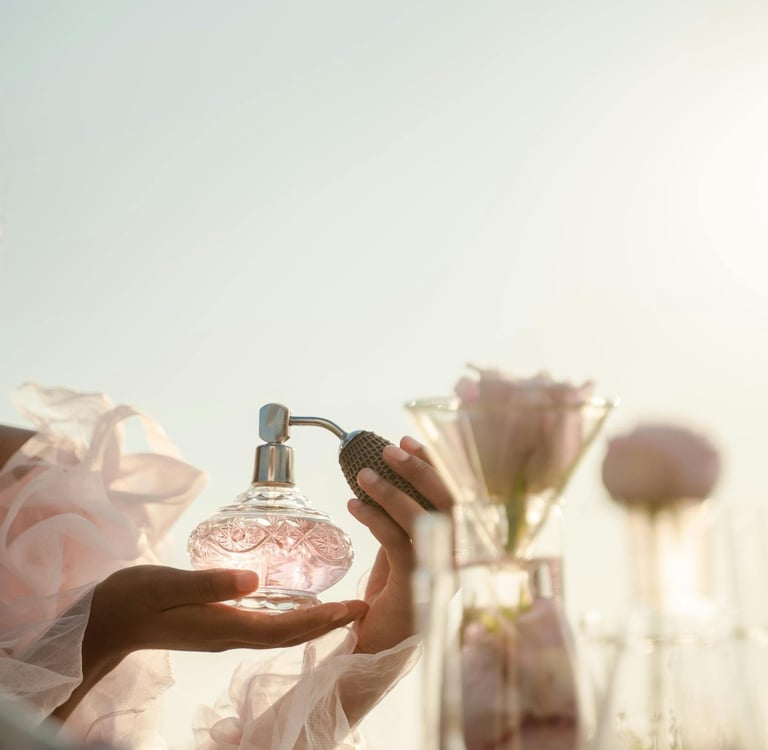
Abercrombie & Fitch: The Scent That Became the Brand
If Chanel is a whisper, Abercrombie & Fitch is a declaration. Their signature scent, Fierce, fills every corner of their stores—so much so that you can smell it from the street. For an entire generation, that fragrance is the brand.
You don't need to see the logo; the scent alone is enough to recall memories of teenage shopping trips, first dates, and that very specific early-2000s aesthetic. Love it or hate it, it's a true anchor in the retail experience—a sensory memory that's impossible to forget.
Singapore Airlines: The Scent of Calm at 30,000 Feet
Singapore Airlines uses a bespoke fragrance called Stefan Floridian Waters in their cabins, hot towels, and even crew uniforms. This subtle scent is woven into every journey, evoking calm and luxury.
For frequent travellers, it becomes a sensory memory—one that signals comfort and care, flight after flight. It's not about selling a product; it's about reinforcing a universe. And that universe smells like home, even when you're halfway across the world.
Rolls-Royce: The Scent of Heritage and Craft
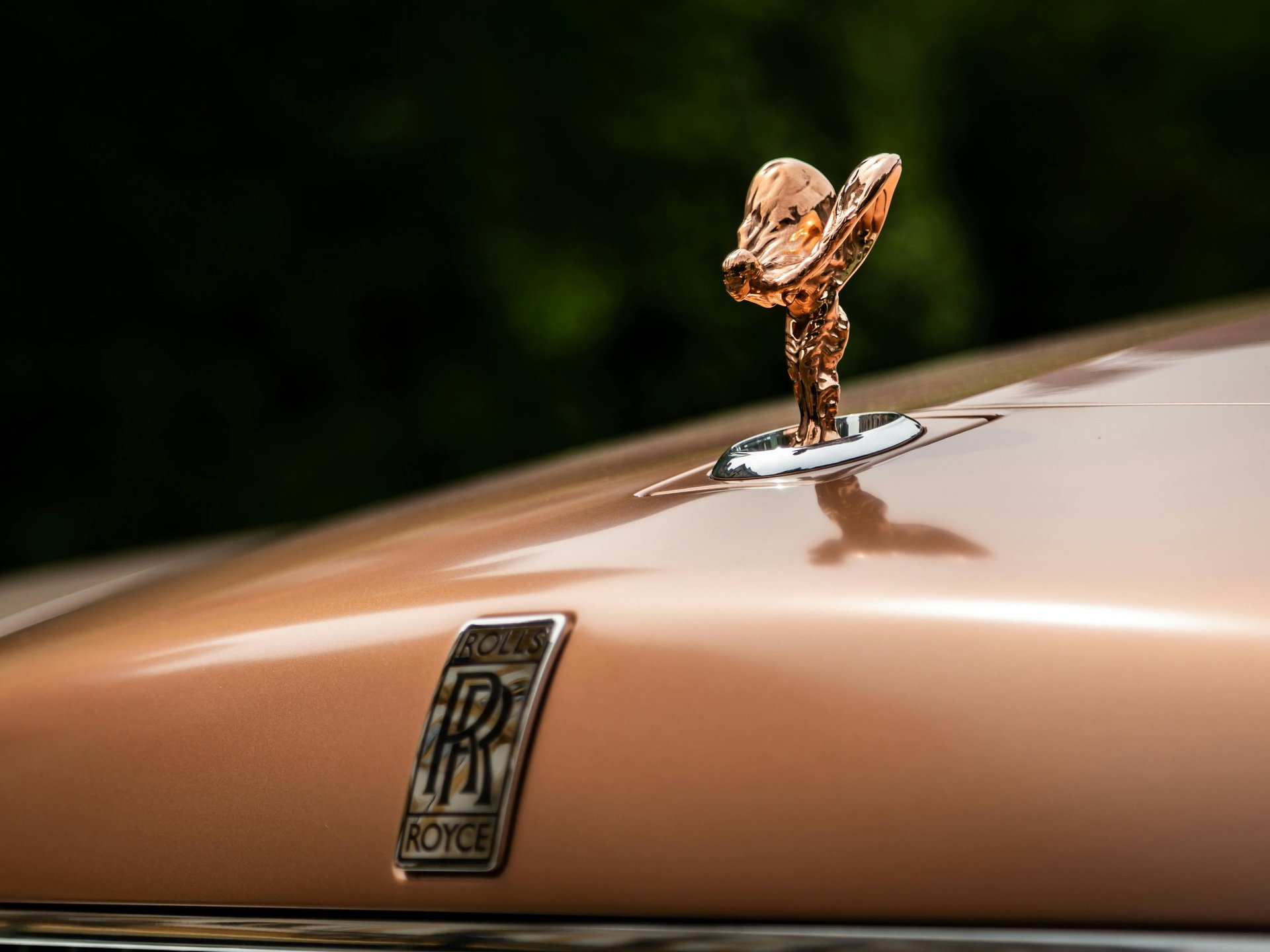
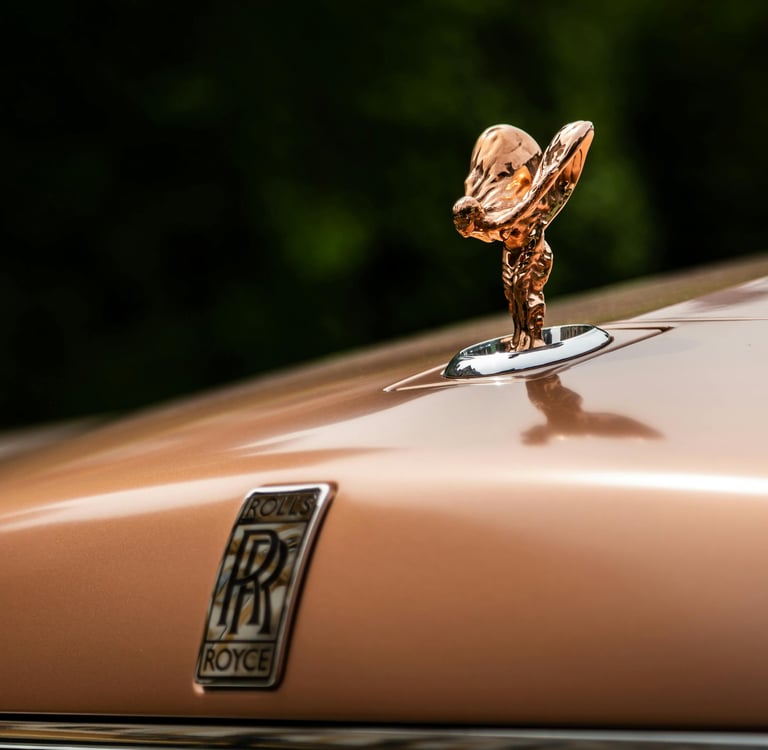
Rolls-Royce infuses its vehicles and showrooms with a custom scent that evokes the leather, wood, and craftsmanship of its heritage. This olfactory detail isn't about selling a car—it's about reinforcing a universe of tradition, luxury, and meticulous attention.
Every encounter feels singular, because the scent tells a story before a single word is spoken. It's the invisible signature of a brand that understands: luxury is felt, not just seen.
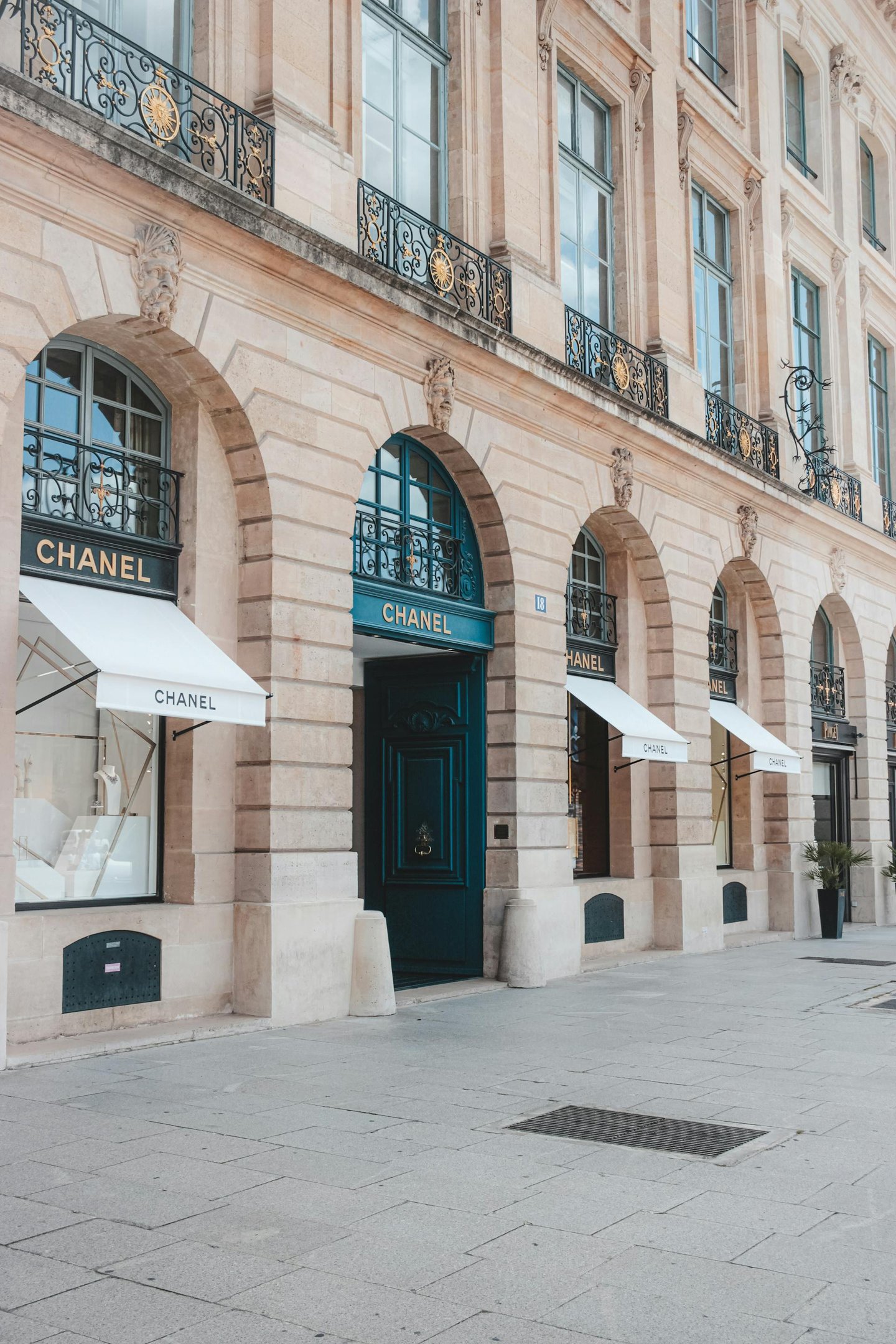
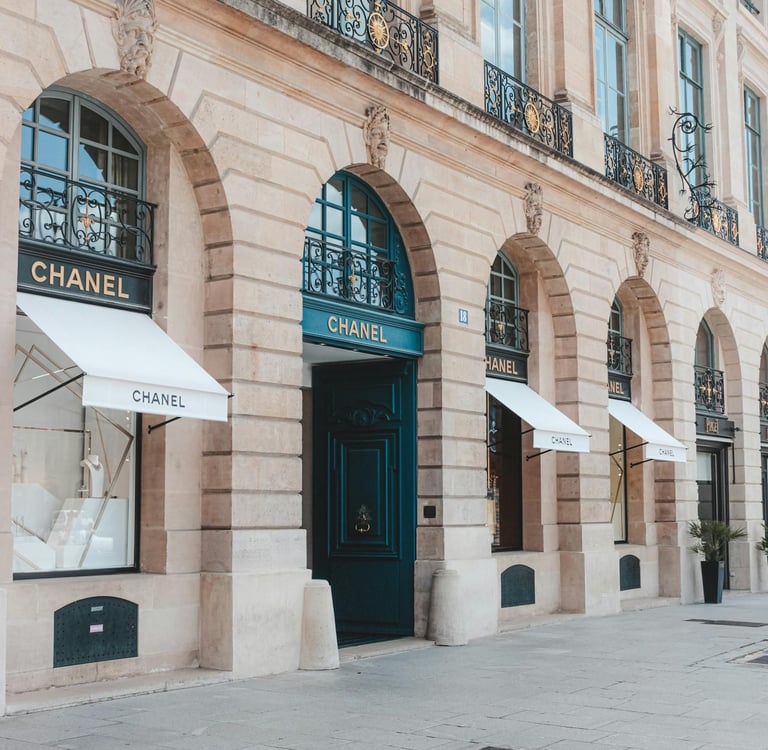
Last summer, I walked past a boutique in Paris. I didn't see the name, didn't catch the window display—but the scent stopped me mid-step. Warm, slightly woody, with a whisper of something floral I couldn't quite name. I turned around, walked in, and only then realised it was a Chanel store.
That's when it hit me: the world's most iconic brands aren't just seen—they're sensed.
We talk endlessly about visual identity—logos, colour palettes, typography. But what about the invisible signatures? The ones that linger in memory long after you've left the room? Scent, texture, sound—these are the silent architects of brand universes. And if you're not thinking about them, you're leaving half the story untold.
The Invisible Signature: Why Scent Anchors Memory
Here's the thing about scent: it's the only sense directly linked to the limbic system, the part of the brain responsible for emotion and memory. That's why a single whiff can transport you back to your grandmother's kitchen, a childhood holiday, or—yes—a brand experience you had years ago.
The best brands know this. They don't just look like something; they smell like something. And that olfactory signature becomes a quiet, unforgettable thread woven into every encounter.
Let me show you what I mean.
Chanel: The Scent of Refined Femininity
Chanel boutiques are infused with a subtle, elegant fragrance—never overpowering, always unmistakable. It's not Chanel No. 5 (though that would be the obvious choice). It's something more discreet, more architectural.
This olfactory signature welcomes you into a world of refined femininity and timeless sophistication. The scent lingers on your clothes, in your memory, long after you leave. It makes the Chanel experience quietly unforgettable—not because it shouts, but because it stays.
Why Sensory Branding Matters for Premium Brands
A brand that "smells" like something is a brand that endures. Scent is invisible, but unforgettable—a quiet signal that lingers in memory, long after the moment has passed.
You don't need to be a perfume house to think about this. You just need to ask yourself: What does my brand feel like? What does it sound like? What does it smell like?
Because if your brand only exists visually, you're missing the chance to create a truly multisensory universe—one that people don't just see, but experience.
How to Bring Olfactory Branding Into Your Universe: Three Tangible Steps
Not sure where to start? Here are three examples tailored to real life examples—with concrete, actionable steps you can implement right now:
If you're a wellness or yoga studio:
Step 1: Choose one signature essential oil blend that reflects your brand's essence—grounding (sandalwood, cedarwood), energising (eucalyptus, peppermint), or calming (lavender, bergamot). Test 2-3 combinations and ask your regulars which feels most "you."
Step 2: Diffuse it consistently 15 minutes before each class begins, so clients associate the scent with arrival and presence.
Step 3: Infuse your branded towels or bolsters with the same scent using a linen spray. Store them in a sealed container between uses to preserve the fragrance.
Step 4: Offer a small vial or sample of the blend at checkout or as a gift with memberships, so clients can recreate the ritual at home—and think of you every time they do.
If you're a fashion or accessories brand:
Step 1: Source a subtle scented paper or fabric sachet that aligns with your brand's personality—think natural, not synthetic. Brands like Aroma360 offer bespoke options.
Step 2: Tuck one sachet inside every package before shipping. The scent should be the first thing your client notices when they open the box—before they even see the product.
Step 3: Use the same scent in your studio, showroom, or pop-up space. Consistency across touchpoints is key.
Step 4: If you have a physical boutique, lightly scent your tissue paper, shopping bags, or even business cards. The goal: every branded material carries the same invisible signature.
If you're a boutique interiors or lifestyle brand:
Step 1: Develop a signature candle or room spray that reflects the aesthetic and values of your brand. Partner with a small-batch candle maker or perfumer to co-create a bespoke scent (many offer low minimums for custom blends).
Step 2: Use this scent in your showroom, studio, or at events. Light the candle during client consultations or photoshoots so it becomes part of your brand's sensory memory.
Step 3: Offer the candle as a limited-edition product or gift-with-purchase. Position it as an extension of your brand universe, not just a product—"The scent of our atelier, now in your home."
Step 4: Include the scent in your styling and photography. Burn the candle during shoots so the atmosphere feels cohesive and intentional.
The Takeaway: Design for All the Senses
Great branding isn't just seen. It's felt. It's heard. It's remembered. It's craved.
If you're ready to explore how sensory branding can elevate your universe—how scent, texture, and sound can become silent signatures that anchor your brand in memory—it's time to go deeper.
Want to craft a brand experience that's truly unforgettable? Discover how The Manuscript can help you build a multisensory universe that people don't just see, but feel. Because the best brands aren't just visual—they're visceral.