
The Counterintuitive Decisions Behind the Brands That Last
Hermès rejected mass production. Patagonia told customers not to buy. Loro Piana spent decades invisible by choice. Three brands that went against every instinct the market had — and built something that lasted. What their decisions reveal about brand longevity.
Sophie O.P.
4/13/20264 min read
The Room Where It Started
It is 1970-something. The consultants have just left the room.
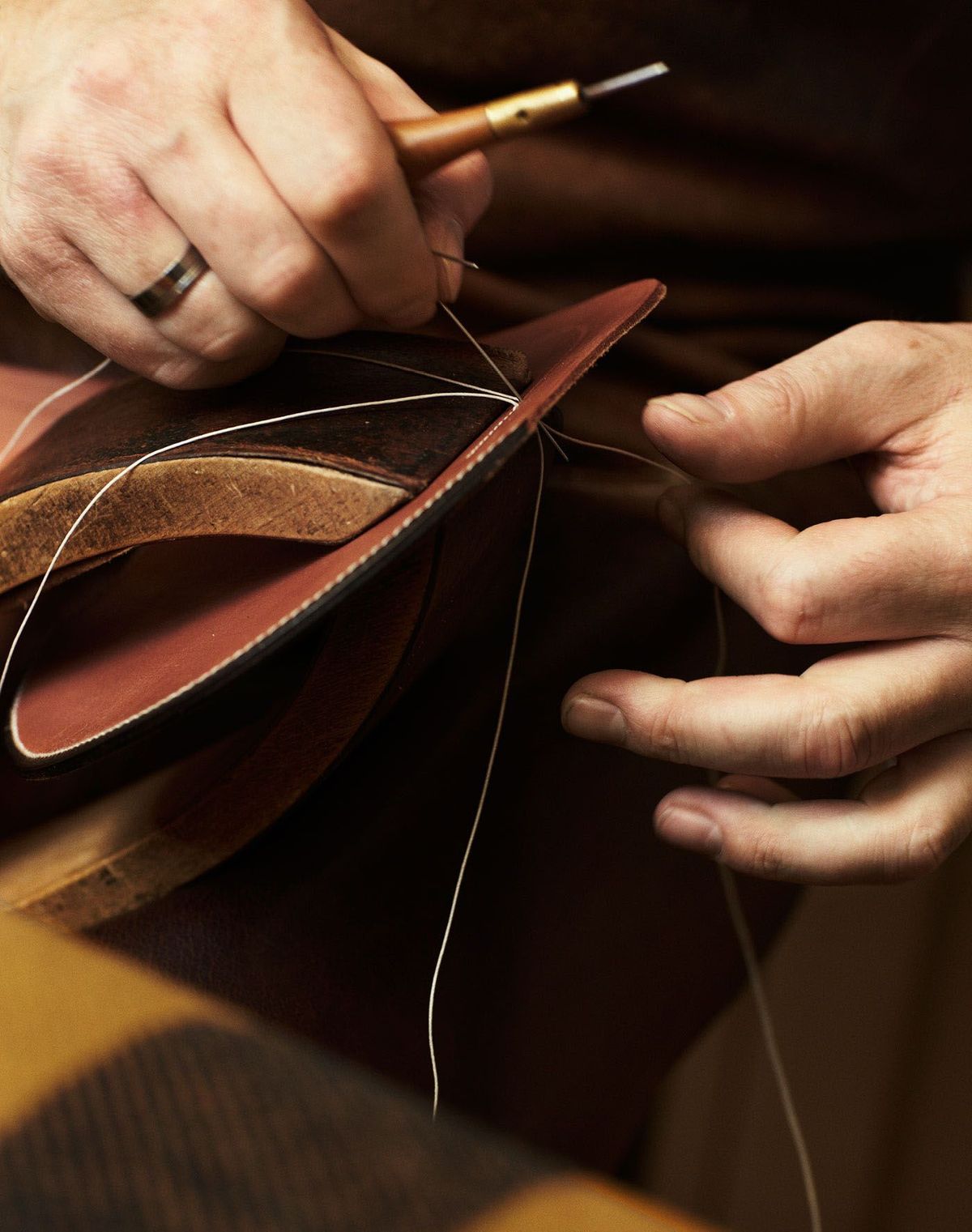
They came with slides, data, and a very reasonable argument: the world is changing, production costs are rising, and the handmade model cannot scale. Modernize. Automate. Keep up. The advice was not wrong, exactly. It was the kind of advice that would have made sense to almost anyone sitting in that room, reading those numbers, feeling the pressure of a market that was moving faster than the looms.
Hermès said no.
Not in a dramatic way. They simply decided that the thing that made them worth anything was the thing they refused to compromise, and that was that. The consultants probably thought it was stubbornness. In a way, it was. But there is a particular kind of stubbornness that only looks irrational from the outside. From the inside, it is clarity.
The Decisions That Never Made the Case Studies
This is the part of brand history that rarely gets told, because it does not make for a clean case study. The decisions that built the brands we now consider untouchable were not obviously correct when they were made. They were, in most cases, the opposite of what the moment seemed to demand.
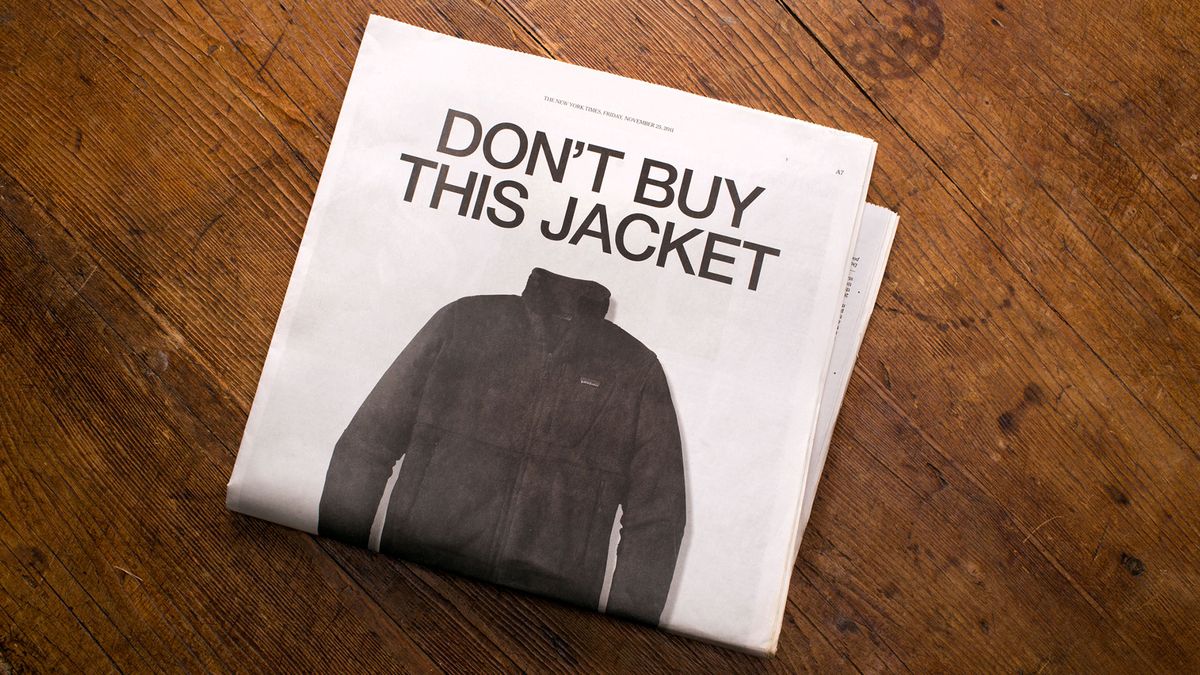
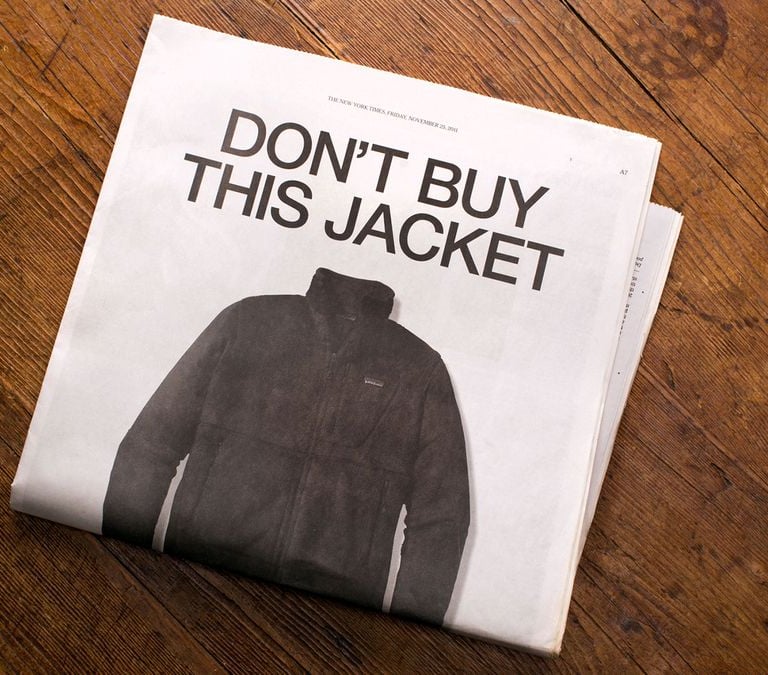
In 2011, Patagonia bought a full-page ad in The New York Times on Black Friday, the single most commercially saturated day of the American calendar, to tell people not to buy their jacket. The internal debate before publishing it was real (the company was, after all, in the business of selling jackets).
Someone on that team had to sign off on spending money to tell customers to spend less. The ad ran. Sales grew 30% in the months that followed. Not because the campaign was clever, but because it was consistent. Patagonia had spent decades building a brand around the idea that buying less, better, was the right thing to do. The ad was not a campaign. It was the brand speaking in its own voice, in the most inconvenient possible moment, without flinching.
That consistency is harder to manufacture than it looks. Most brands soften their position the moment it becomes commercially inconvenient.
The Question That Is Harder to Answer
There is something uncomfortable in this if you are building a brand right now, in a landscape that measures everything in real time. Every metric is telling you something about what is working today. The question that is much harder to answer is what it means to build something for ten years from now. Those are not always the same decision.
The inconvenient truth that Hermès, Patagonia, and Loro Piana share is this: the decision that looked like the wrong one was often the one that made them irreplaceable. And irreplaceable is the only category where longevity actually lives.
The question worth sitting with is not whether your brand is doing well right now. It is whether the decisions you are making today are ones you would still defend in a decade. Not because they were safe. Because they were yours.
The Luxury of Saying Nothing
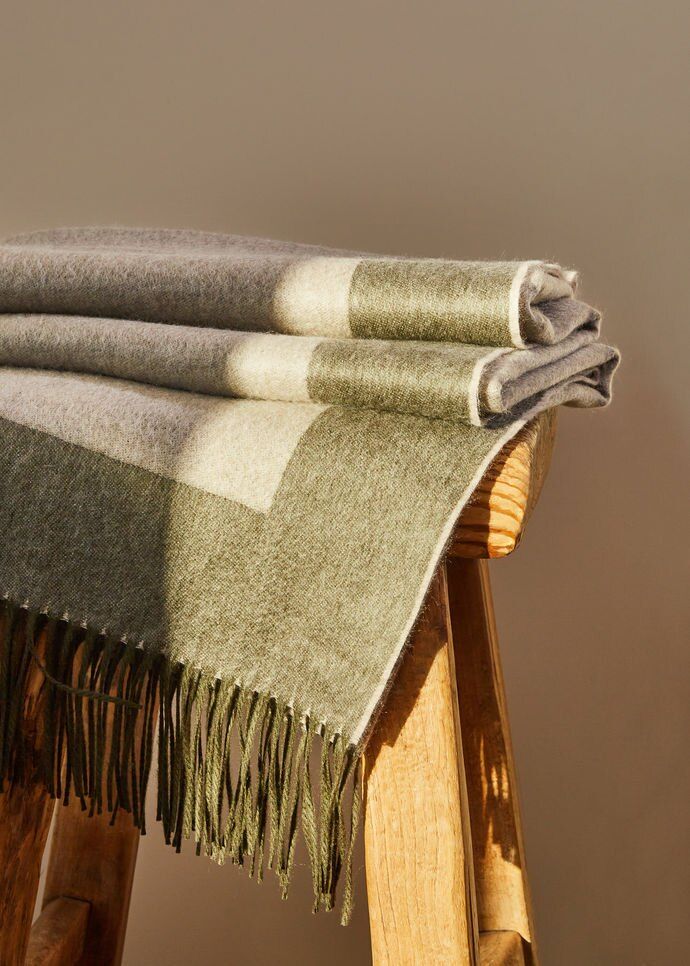
Loro Piana did something quieter and, in some ways, more radical. For most of the twentieth century, they made some of the finest fabrics and cashmere in the world and told almost no one about it. No flagship stores until 1998. No advertising to speak of. A client list that operated by word of mouth among people who already knew. The fashion industry was building empires on visibility, on logos, on the idea that a brand needed to be seen to be valuable. Loro Piana simply disagreed.
By the time LVMH acquired them in 2013 for two billion euros, the brand had spent a century being almost invisible. Pier Luigi Loro Piana's explanation was four words: quality will save the business. Not marketing. Not positioning. Not storytelling (which is something we talk about a great deal now). Quality. The rest, he seemed to believe, would follow.
It did. The brand is now valued at eleven billion euros.
What These Three Decisions Have in Common
What connects Hermès, Patagonia, and Loro Piana is not that they were brave, though they were. It is that they were made from the inside out. Hermès was not reacting to what competitors were doing. Patagonia was not calculating what would resonate with an audience. Loro Piana was not designing a mystique strategy. Each of them was simply refusing to move away from what they believed made them worth something in the first place.
The market rarely rewards that in the short term. The market rewards what the market understands, and the market tends to understand speed, volume, and visibility. Restraint reads as stagnation. Silence reads as irrelevance. Saying no to growth reads as fear of growth.
But the brands that last are not the ones the market understood immediately. They are the ones that held a position long enough for the market to come to them.


If you are at the stage where those decisions feel unclear, where the brand works but something is not holding, that is exactly where The Refresh begins. We work on finding the things worth keeping, and building a system around it that does not need to be explained every time.