
Fast Culture Is Killing Luxury (Or Is It?)
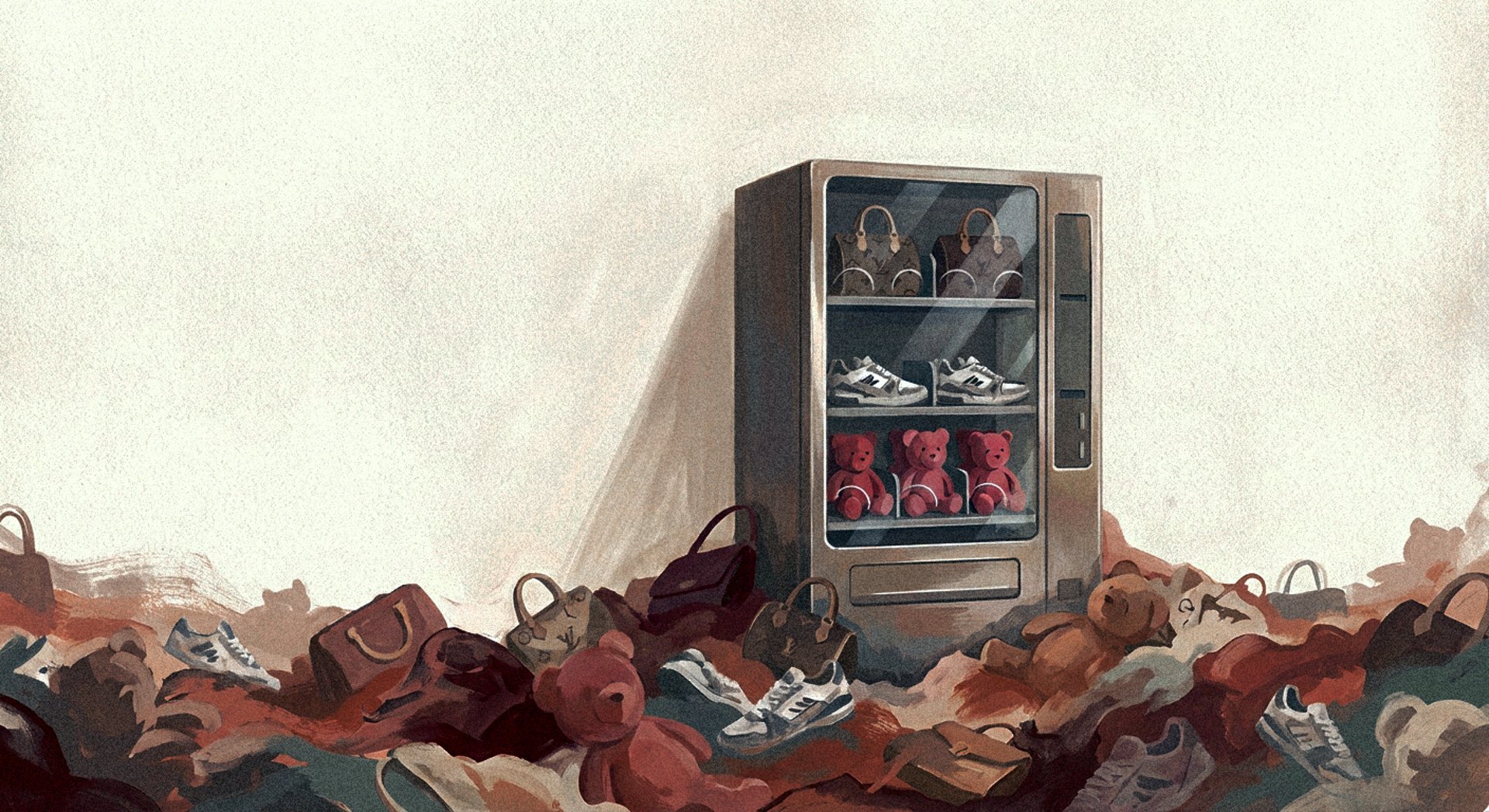
Fast-culture brands are borrowing luxury codes—scarcity, craft, heritage—but stripping them of meaning. In this article we dive into how to tell real luxury from expensive cosplay.
Sophie O.P.
11/26/20257 min read
The "logo tax" and the illusion of value
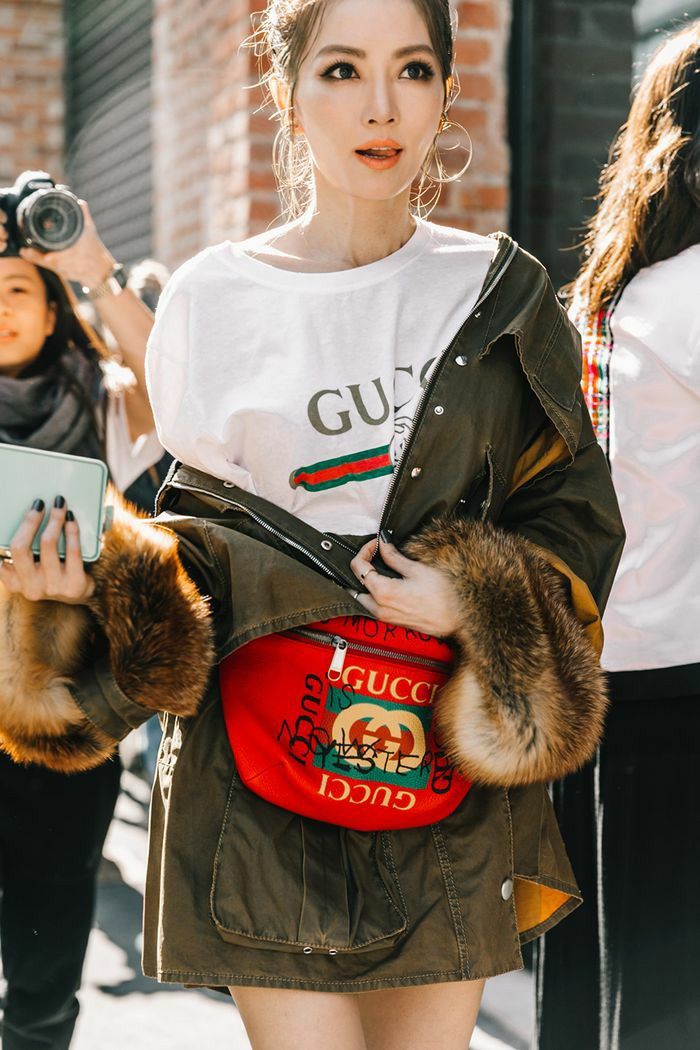
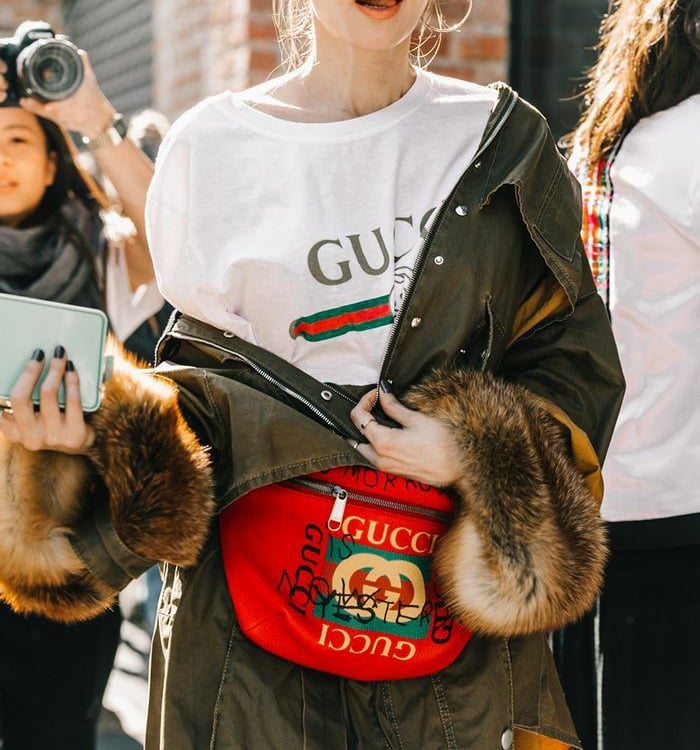
Here's a pattern you've seen: a luxury brand releases a product—handbag, trainers, sunglasses—at a price point that has no relationship to material, craft, or innovation. The justification? The logo.
This is the logo tax: the premium you pay not for superior quality, but for brand association. And while legacy luxury houses have always commanded a premium, the gap between cost and value has widened dramatically. Distressed trainers at £800+ that are indistinguishable in craft from mid-tier sportswear. Logo-heavy accessories that offer minimal material innovation. Nylon bags that are priced as if they were exotic leather.
The issue isn't pricing itself—it's pricing without craft. When a brand charges luxury prices but delivers trend-driven design and mass-market production values, it's not luxury. It's expensive fast culture. The logo becomes a substitute for value, not a symbol of it.
What's missing is innovation, material integrity, and craft that justifies the price. Real luxury commands a premium because the product embodies time, skill, and materials that are genuinely rare. The logo tax is luxury's language applied to products that lack luxury's substance, it's branding cosplaying as craft.
Mass fashion collaborations—luxury gone cheap
When mass-produced fashion brands collaborate with luxury designers the pitch is democratic: luxury for everyone. The reality is dilution.
These collaborations take luxury names and apply them to accessible price points and high-volume production. The designer's aesthetic is borrowed, but none of the craft, materials, or attention that define their mainline work makes the journey. Campaign imagery looks premium, but the garments in hand feel like high-street. Seams are less precise, fabrics are thinner, finishes are rushed. It's luxury as costume, not substance.
The collaboration trades on aspiration, not integrity. Customers aren't buying the designer's craft—they're buying proximity to the name. And for the designer, it's a calculated risk: short-term revenue and visibility in exchange for long-term brand dilution.
What's missing is the craft and material quality that justify the original brand's positioning. The collaboration borrows luxury's codes—the name, the aesthetic, the campaign production values—but operates on a business model that's fundamentally incompatible with luxury's logic. You can't maintain craft at mass-market speed. You can't preserve exclusivity at accessible price points. The result is luxury aesthetics applied to a system that strips them of meaning.
The Broader Problem: Luxury Codes Gone Cheap
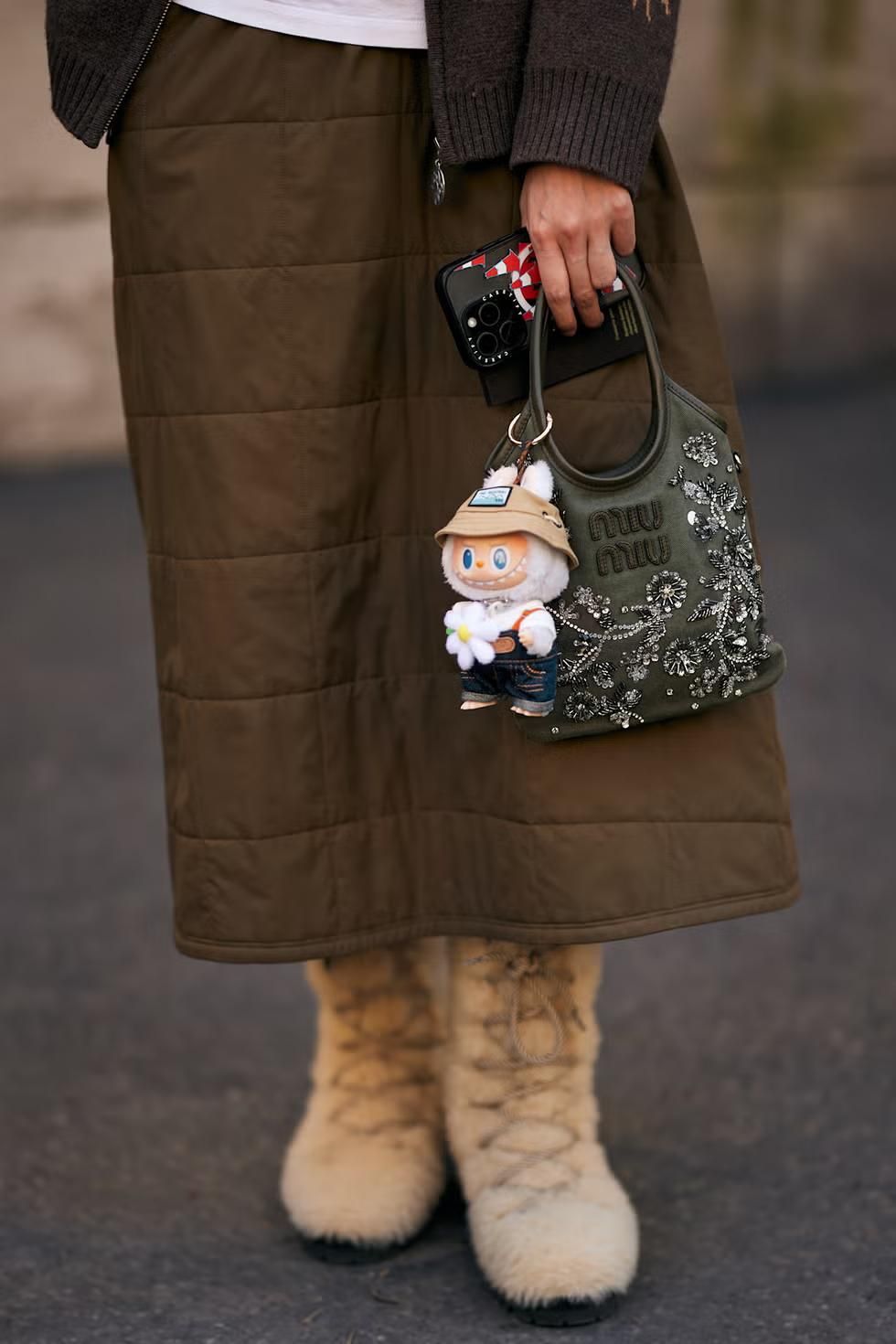
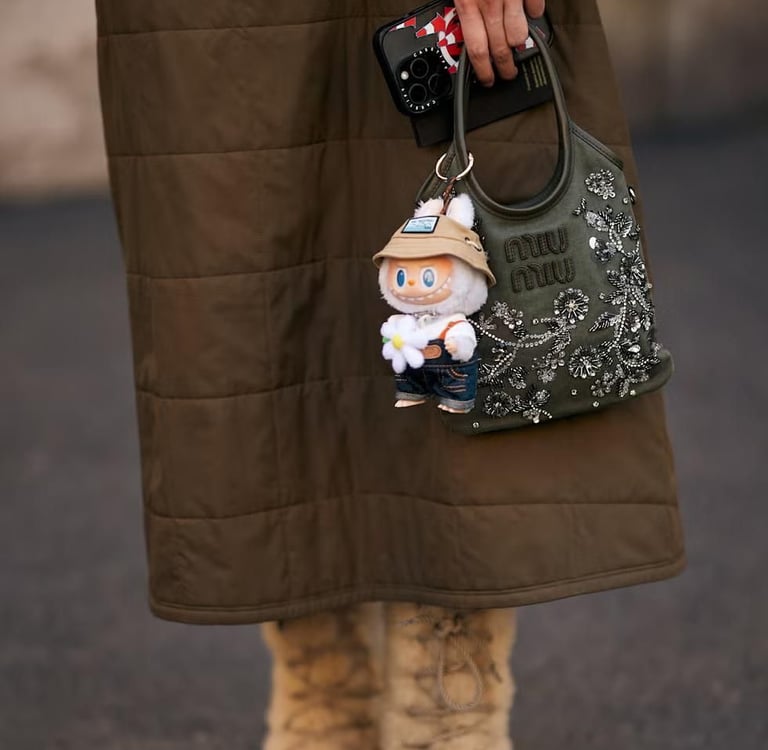
Labubu, the logo tax, mass fashion collaborations—these aren't isolated missteps. They're symptoms of a broader problem. The common thread? Luxury aesthetics applied to velocity-driven business models. The codes are there, but the system that gives them meaning is absent.
The luxury aesthetic is everywhere. The luxury experience? Nowhere to be found.
Walk into any high-street shop and you'll see it: matte black packaging, "limited edition" stickers, collaborations with names you're supposed to recognise. Scroll Instagram and the codes are even clearer. Drop culture, waitlists, influencer unboxings shot like short films.
Luxury has become a language. And fast-culture brands have learned to speak it fluently.
But here's the tension: luxury isn't just an aesthetic. It's a system. It's craft, time, intention, restraint. It's the opposite of what drives trend-chasing brands—velocity, volume, virality. So when fast-culture brands borrow luxury's vocabulary without adopting its values, what are we left with? A world where everything looks premium, but nothing feels rare.
The question isn't whether fast culture is killing luxury. It's whether luxury can survive when its codes become copy-paste.
The problem: Luxury techniques in high-velocity execution
Luxury branding works because it's built on scarcity, craft, and coherence. These aren't just marketing tactics—they're structural. A brand can't scale infinitely and remain exclusive. It can't prioritise speed and maintain meticulous craft. It can't chase every trend and keep a coherent identity.
But fast-culture brands operate on the opposite logic: churn and scale. Their business model depends on constant newness, mass accessibility, and rapid turnover. So when they adopt luxury codes—drops, collabs, "limited" editions—they're not building a luxury system. They're performing one.
And that performance is starting to show cracks.
Labubu and the collectible hype machine
Labubu, the plush toy phenomenon that's taken over Instagram feeds and shopping queues, is a perfect example of fast-culture brands speaking luxury's language.
The brand operates on artificial scarcity—limited drops, waitlists, "sold out" announcements that create FOMO. It uses influencer seeding to build aspirational desire, with unboxing videos shot like luxury reveals. Each toy is positioned as collectible, with numbered editions and "rare" variants that drive secondary market speculation. And the pricing? Premium, despite being a mass-produced plush toy.
On paper, it's luxury. In practice, it's hype-driven commerce dressed in exclusivity. The aesthetic is borrowed from collectible art toys and luxury unboxing culture, but the experience is pure trend exhaustion. Labubu feels premium in the first 48 hours—and disposable by week two.
What's missing is craft, longevity, and meaning. Labubu isn't built to last. It's built to be replaced by the next drop. The scarcity isn't about limited artisan production—it's about manufacturing urgency to move volume. It's luxury codes applied to a business model that's fundamentally about churn.


So what does luxury done right look like?
Real luxury isn't about performing exclusivity. It's about building systems that make exclusivity inevitable—through craft, time, and coherent values.
Here's what that looks like in practice.
Brunello Cucinelli: Luxury as philosophy, not performance
Brunello Cucinelli doesn't just make beautiful cashmere. The brand operates on a philosophy of "humanistic capitalism"—paying artisans above-market wages, limiting production to maintain quality, and building a brand around dignity and craft.
This isn't marketing. It's structure. Cucinelli's prices are high because the system that produces the garments is expensive by design. Scarcity isn't manufactured—it's a byproduct of refusing to scale beyond what craft allows. The brand doesn't create artificial waitlists or limited drops. The limitations are real, embedded in how they work.
The result is a brand where luxury isn't performed—it's inevitable. The values and operations are coherent. You can't produce Cucinelli-level cashmere at speed, and the brand doesn't try. The premium isn't a logo tax. It's the cost of a system built on time, skill, and refusal to compromise.
Ffern: Seasonality as structure, not gimmick
Ffern, the British fragrance house, releases one scent per season—and only during that season. Miss the window, and it's gone. No year-round catalogue. No back stock. Just four fragrances a year, each tied to the natural cycle of ingredients.
This isn't artificial scarcity. It's structural. Ffern works with natural, seasonal botanicals, which means production is genuinely limited by what's available. The scarcity isn't a marketing tactic—it's the inevitable result of working with nature's rhythms rather than against them.
The model also includes a refill system, so customers aren't buying new bottles each season—they're refilling the ones they have. It's luxury as ritual and sustainability, not disposability. The brand's limitations aren't performed for exclusivity's sake. They're embedded in the craft itself.
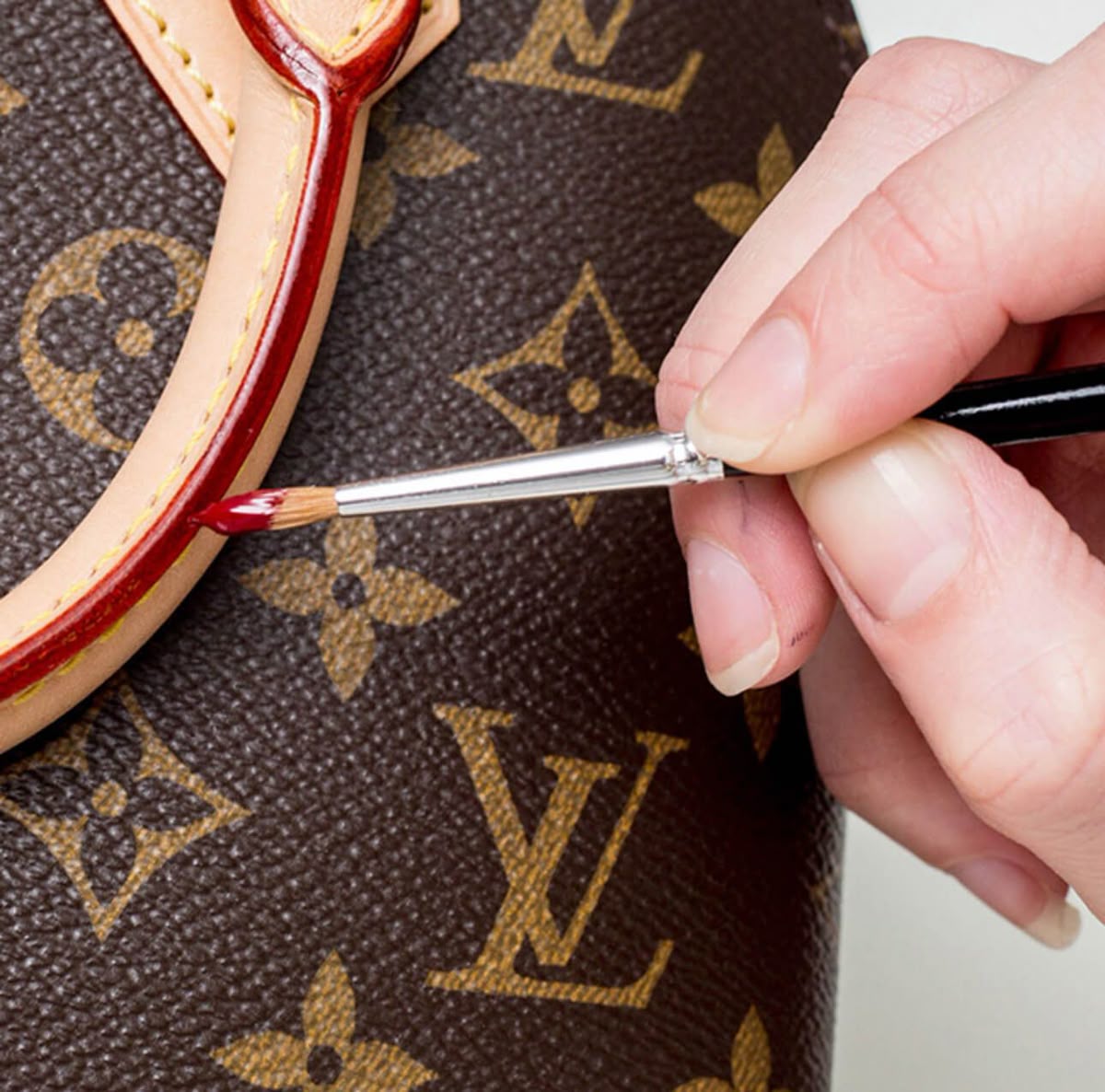
Repair services and the luxury of longevity
Luxury brands like Hermès, Loro Piana, and The Row offer something fast-culture brands can't: repair and longevity services.
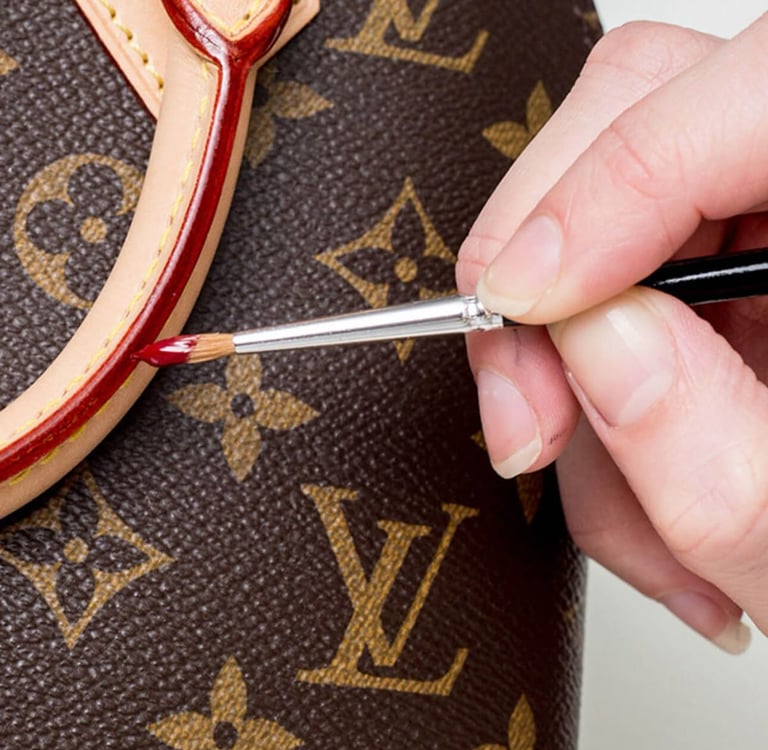
Hermès will repair a 30-year-old bag. Loro Piana offers lifetime care for cashmere. The Row provides restoration services for garments years after purchase. This is luxury as anti-disposability. The product isn't just an object—it's a relationship. You're not buying something to replace next season. You're buying something to keep.
This model only works if the product is built to last in the first place. Fast-culture brands can't offer repair services because their products aren't designed for longevity—they're designed for turnover. Repair services aren't a marketing add-on. They're proof that the brand's operations and values are aligned. Longevity becomes the luxury, not newness.
The real divide: Luxury vs. expensive fast culture
The line between luxury and fast culture isn't price. It's intention.
Luxury is craft that takes time. Scarcity that's structural, not performed. Longevity over disposability. Coherence between values and operations. Fast culture is aesthetics borrowed from luxury. Scarcity as marketing theatre, newness over permanence, operations that prioritise velocity and volume.
You can't have both. A brand can't operate on trend cycles and claim timelessness. It can't mass-produce and claim craft. It can't chase virality and maintain coherence.
So: Is fast culture killing luxury?
Not quite. But it's blurring the codes—making it harder to distinguish real luxury from expensive imitation.
The brands that will survive aren't the ones shouting loudest about exclusivity. They're the ones building systems where exclusivity, craft, and longevity are inevitable.
Because luxury isn't a look. It's a logic.
And fast culture? It's just borrowing the aesthetic.
If you're building a premium brand and you know you have the substance but the system isn't reflecting it yet—that's exactly what The Manuscript is for.
We work with founders who need more than a beautiful logo. You need a coherent visual and verbal system that makes your craft, your values, and your intention tangible at every touchpoint. Not borrowed codes. Not performed scarcity. A language that's entirely yours—and built to last.