
Appetite for Luxury: The Sensory Strategy Behind Food in Premium Marketing
A deep dive into the sensory marketing phenomenon reshaping luxury and premium branding—and how to make it work for your brand.
Sophie O.P.
11/12/20257 min read
The Psychology: Why Food Works (When It Works)
Let's talk science—the delicious kind.
Sensory marketing fundamentals
Food is the only stimulus that engages all five senses simultaneously. You see the gloss of a glazed doughnut. You imagine the smell of warm bread. You remember the taste of a ripe peach, the texture of butter on your tongue, the sound of a baguette cracking open.
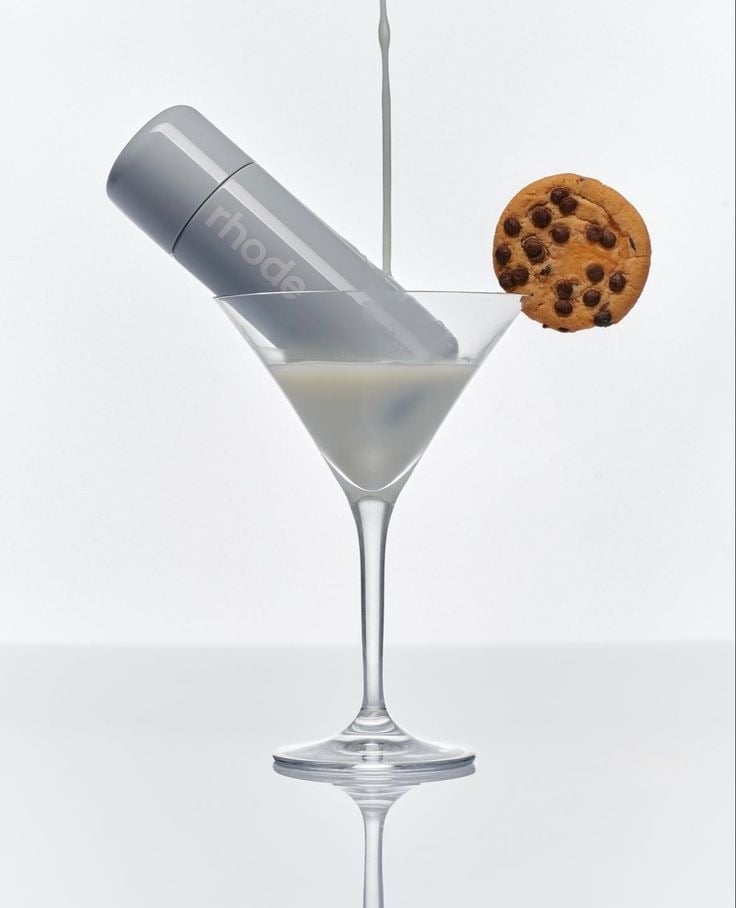
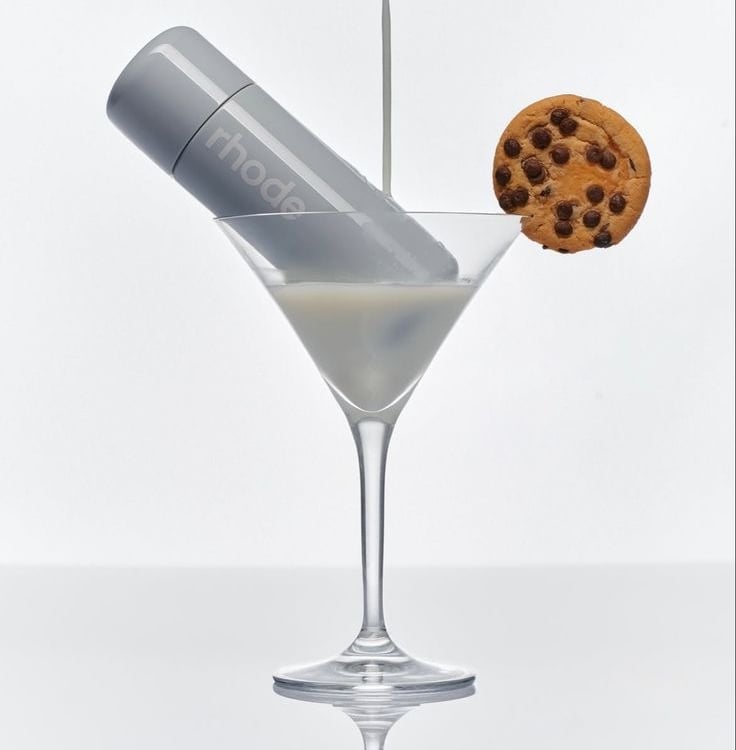
According to sensory marketing research, food imagery bridges the gap that e-commerce brands face every day: the inability to let customers physically experience products. When Rhode Beauty describes their aesthetic as "glazed doughnut skin", your brain doesn't just see it—it feels it.
The Proust effect
Named after Marcel Proust's famous madeleine moment, this psychological phenomenon explains why food triggers memory and emotion more powerfully than almost any other stimulus. A single whiff of cinnamon can transport you to your grandmother's kitchen. The sight of a lemon can summon an entire summer in the South of France.
Premium brands are borrowing this emotional shortcut. When Jacquemus fills a campaign with lemons, he's not selling citrus—he's selling his Provence, his childhood, his mother's memory. It's deeply personal, which makes it universally resonant.
The accessibility paradox
Here's where it gets interesting: luxury brands using humble objects create intrigue through juxtaposition. A €2,000 handbag next to a 50-cent lemon? That contrast is magnetic. It makes luxury feel human, approachable, even playful—without losing its premium positioning.
As marketing experts note, "By grounding luxury fashion in familiar food imagery, brands make themselves feel more accessible while maintaining exclusivity."
Instagrammability
Let's be honest: food is the internet's love language. It's universally understood, visually arresting, and culturally coded. A croissant speaks French. A tomato screams Italian summer. A doughnut is pure Americana. Food doesn't need translation—it just needs good lighting.
Picture this: a giant lemon tumbling across a sun-drenched beach. A Hermès handbag nestled beside a perfectly ripe tomato. A fashion show invitation that arrives as actual bread, stamped with a luxury logo.
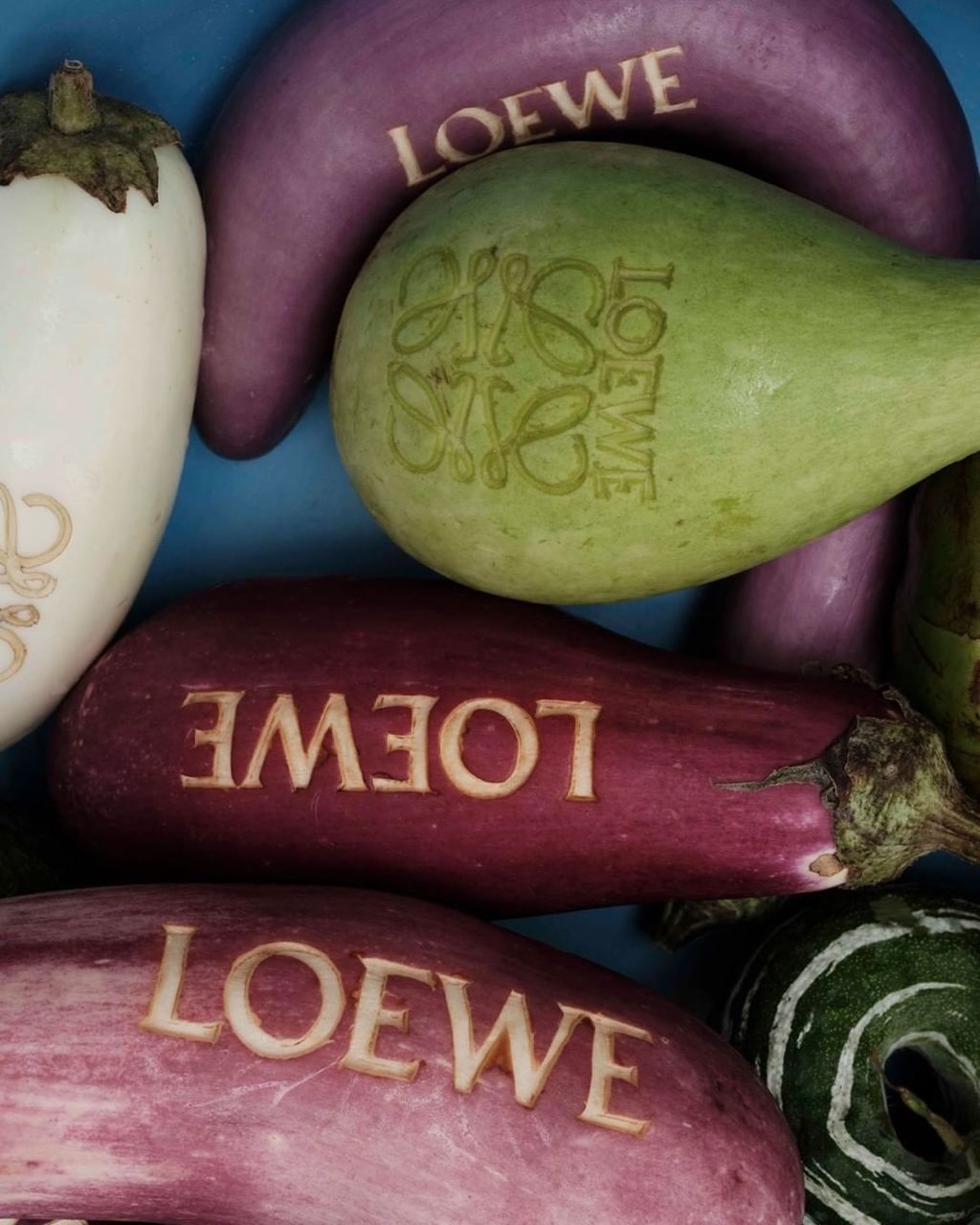
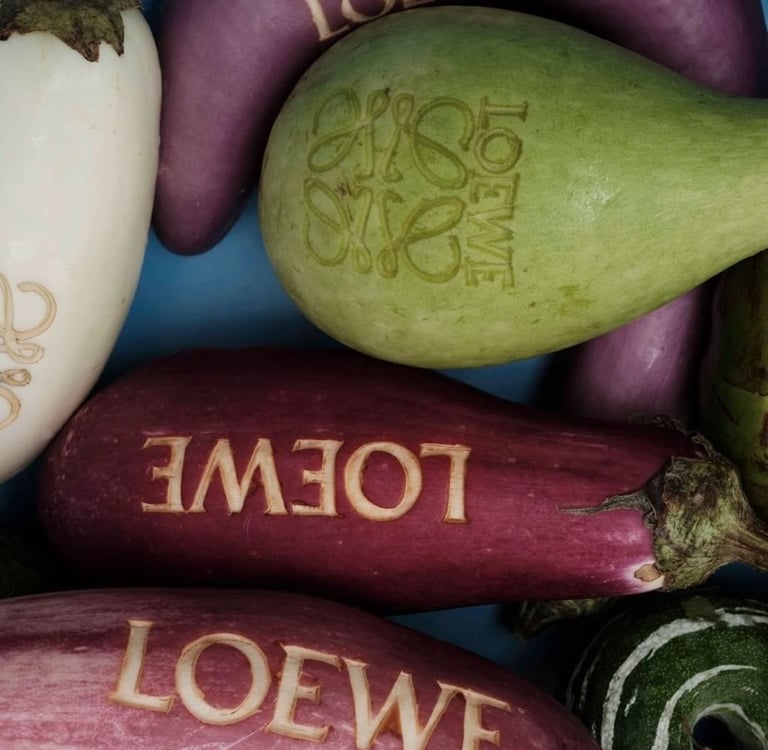
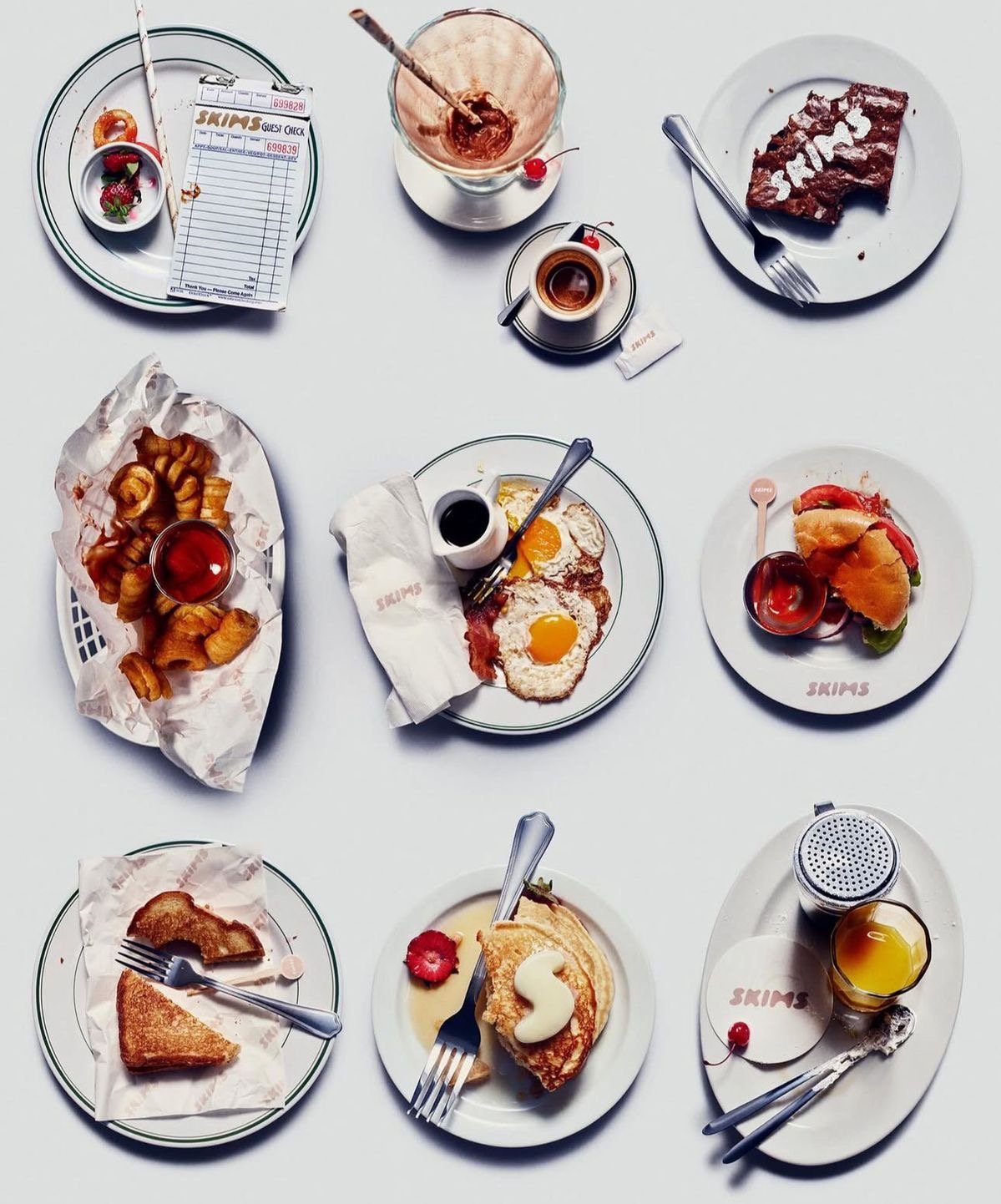
If you've scrolled through Instagram lately, you've noticed it—premium brands are suddenly obsessed with food. From Jacquemus' AI-generated lemon fantasies to Loewe's surrealist vegetable sculptures, luxury fashion has developed an insatiable appetite for the edible. And it's not just fashion: beauty brands are naming products after pastries, and even shapewear is being sold with milkshakes.
But here's the thing: while some brands are serving up marketing gold, others are left with a bad taste. The difference? Understanding why this works—and how to personalise the trend to your brand's DNA, not just copy what everyone else is doing.
The Phenomenon: Food as the New Luxury Prop
We're living through a curious cultural moment. The same brands that once relied on heritage imagery, monogrammed logos, and aspirational inaccessibility are now posting pictures of… lemons. Baguettes. Strawberries. Butter.
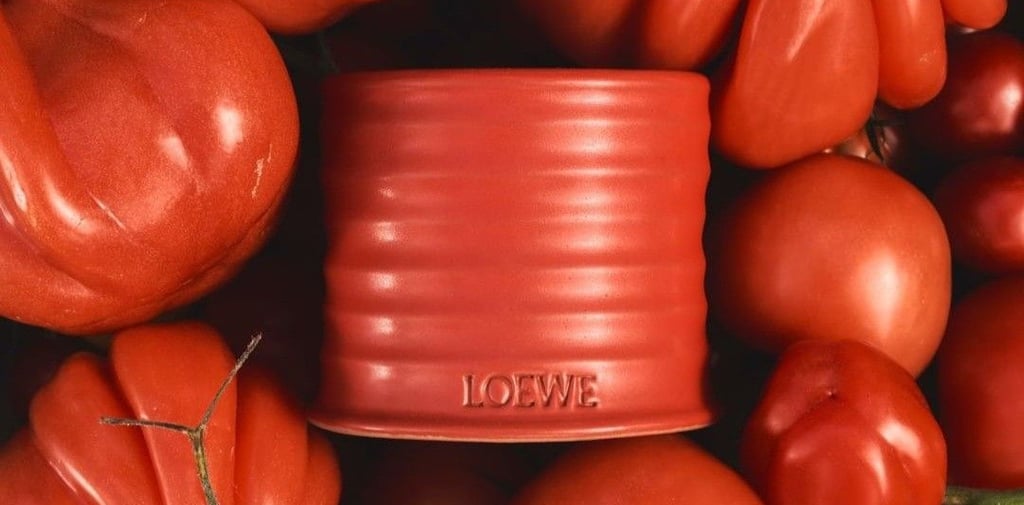
Jacquemus turned Provence's citrus groves into a brand signature. Loewe, under Jonathan Anderson's creative direction, transformed vegetables into high art—anthuriums as breastplates, tomatoes as handbag inspiration. Bottega Veneta styled strawberries like precious jewels. Hermès' iconic orange became an actual orange.
This isn't random. It's a seismic shift in luxury codes. Where traditional luxury whispered "you can't have this," food-driven campaigns say "remember this feeling?". It's the difference between aspiration and connection—and in our post-pandemic, digitally fatigued world, connection wins.
Why now? Because we're hungry. Not just for food, but for sensation. After years of living through screens, we're craving the tactile, the real, the "touch grass" economy. Food delivers that visceral hit—even when it's just a photograph.
The Divide: Why It Works for Some, Fails for Others
Not all food marketing is created equal. The difference between genius and gimmick? Intention. Here are some brands that are doing it right:
Jacquemus: The lemon isn't random
Simon Porte Jacquemus didn't wake up one day and decide lemons were trendy. The lemon is his brand. It's Provence. It's his mother's maiden name. It's the sun-soaked Mediterranean childhood that informs every collection. His viral lemon campaign wasn't borrowed—it was rooted.
The lesson: Food must be rooted in brand narrative, not borrowed. Ask yourself: does this ingredient, this dish, this flavour have a genuine connection to our origin story, our values, our aesthetic? If not, keep looking.
Loewe: Food as conceptual tool
Jonathan Anderson doesn't use vegetables because they're cute. He uses them because they're surreal. His Loewe campaigns featuring oysters, vegetables, and everyday objects are about challenging perceptions, blurring lines between high and low, art and commerce. Food becomes sculpture, metaphor, provocation.
The lesson: Food as conceptual tool, not decoration. If you're going to use food, give it meaning. Make it say something about your brand's philosophy, not just your Instagram aesthetic.
Hermès: The orange (fruit) echoing the orange (brand colour)
When Hermès features an orange—the fruit—it's a wink, not a wink-wink. It's subtle, confident, and so perfectly Hermès that it feels inevitable. The restraint is the point.
The lesson: Subtlety and restraint signal confidence. You don't need to shout. If your brand codes are strong enough, a whisper will do.
Brands missing the mark:
Generic "lifestyle" brands slapping croissants in flatlays
We've all seen it: the marble countertop, the latte, the croissant, the product. It's pretty. It's also forgettable. Why? Because there's no story. The croissant isn't connected to anything—it's just a prop that says "we're aspirational" without saying why.
Fast fashion copying luxury without context
When fast fashion brands mimic luxury's food moments without the craft or context, it feels hollow. A €10 bag next to a lemon doesn't create the same tension as a €2,000 one. The juxtaposition loses its magic because there's no real luxury to contrast.
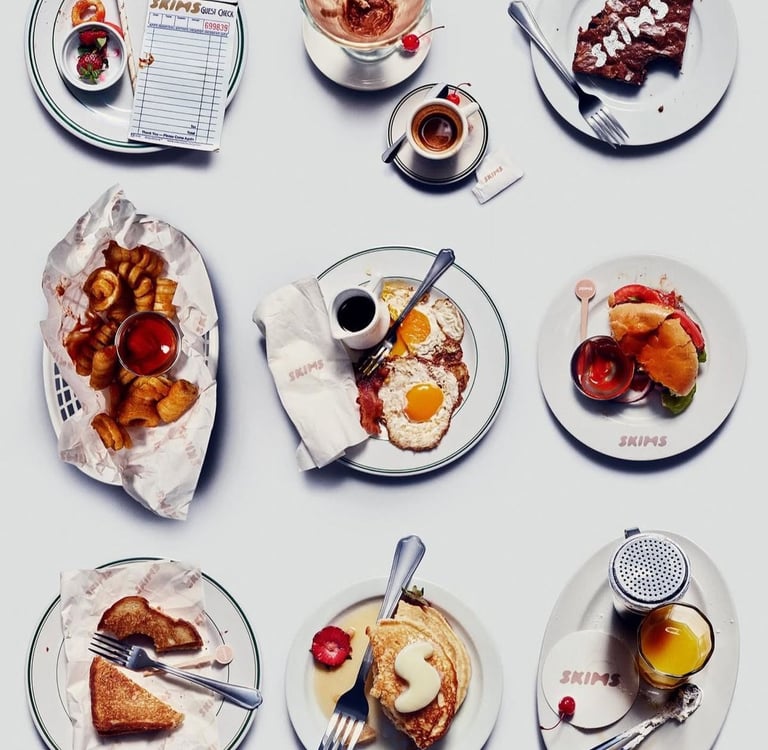
Over-styling: when food looks too perfect
Here's the paradox: when food looks too staged, it loses its sensory appeal. We want to see the juice dripping from the tomato, the crumbs on the table, the imperfect bite taken from the baguette. Perfection kills appetite. Imperfection invites it.
The Framework: How to Personalise the Trend
Ready to bring food into your brand universe? Here's your roadmap.
Step 1: Audit your brand essence
Before you reach for the nearest baguette, ask:
What are your brand's sensory signatures? (Texture, colour, origin story, values)
Is there a food that naturally aligns with your geography, founder story, or product materials?
What emotions do you want to evoke? Nostalgia? Indulgence? Playfulness? Sophistication?
Step 2: Choose with intention
Avoid trends for trends' sake. If everyone's doing lemons, maybe you're a fig. Or a persimmon. Or black sesame.
Consider:
Does this food have cultural resonance for your audience?
Does it photograph well in your brand's visual language?
Does it feel authentically us, or are we forcing it?
Step 3: Integrate, don't decorate
Food should feel like it belongs in your brand universe, not like a prop borrowed from someone else's shoot.
Think beyond the flatlay:
Campaign narratives (tell the story of the ingredient)
Product styling (how does the food interact with your product?)
Event design (can you bring the food experience to life IRL?)
Packaging details (subtle nods, not literal reproductions)
Step 4: Engage the senses (even digitally)
According to sensory marketing experts, "Food evokes emotions: nostalgia, comfort, indulgence. Whether it's the luxurious feel of 'butter' or the satisfying glaze of a doughnut, these cues make products seem tangible and irresistible."
How to do it:
Use language that evokes taste, smell, texture in your copy
Pair visuals with ASMR-style video (the thud of a tomato hitting a table, the crack of a baguette breaking, the sizzle of butter in a pan)
Consider IRL activations: scent marketing, tastings, tactile experiences
Step 5: Test and refine
Launch small. Watch the data. Listen to your audience.
Are you getting saves, shares, DMs?
Is it reinforcing your brand codes or diluting them?
Does it feel like you, or like you're wearing someone else's clothes?
The Bigger Picture: Sensory Marketing as Strategy
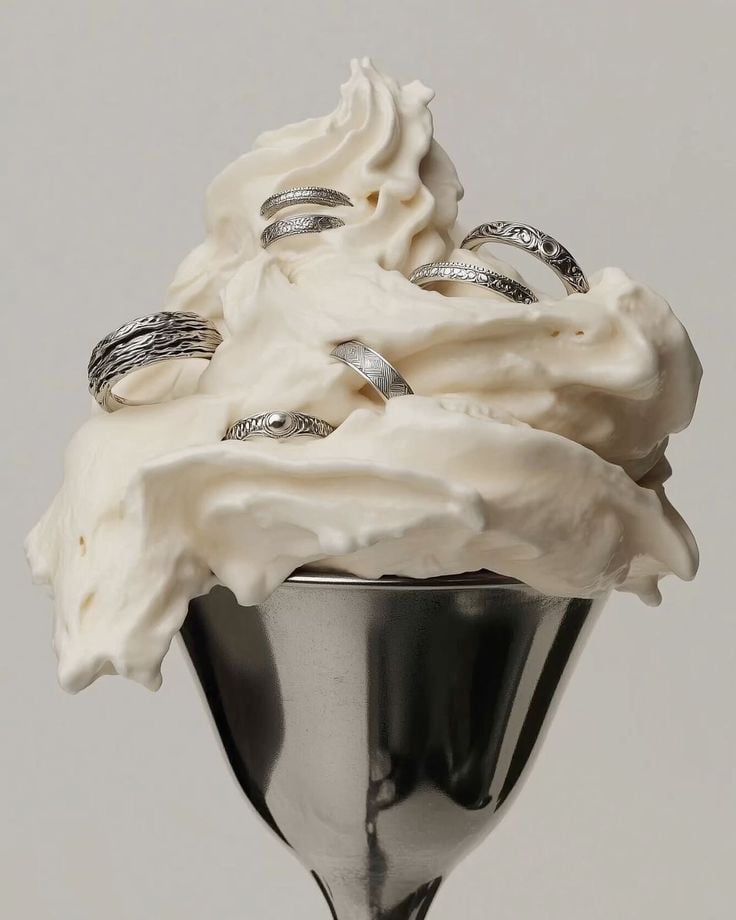
Food is one tool in a larger sensory toolkit. The brands winning right now aren't just using food—they're creating multisensory universes.
Think about:
Texture: How does your product feel? Can you communicate that visually?
Sound: What's the soundtrack of your brand? (Literally and metaphorically)
Scent: Can you evoke smell through description, even if customers can't physically experience it?
Spatial design: How does your brand exist in physical space? (Stores, pop-ups, events)
Premium brands win by creating worlds, not just products. Food is the gateway—but the destination is a complete sensory experience that makes your brand unforgettable.
The Taste Test
Here's your provocation: If your brand were a meal, what would it taste like?
Would it be a five-course tasting menu, meticulously plated? A rustic family-style feast? A perfectly pulled espresso? A street-food revelation?
The answer will tell you everything you need to know about how—and whether—to bring food into your brand story.
And if you're not sure where to start? Contact us and let's map your brand's sensory universe together. Because in a world where everyone's chasing the same trends, the brands that win are the ones that know exactly who they are—and aren't afraid to serve it up with confidence.